This year alone, a batch of our students packed their bags for Germany — some heading to tuition-free public universities like the University of Applied Sciences Jena, RPTU Kaiserslautern, and TU Chemnitz, others choosing private institutions such as the Berlin School of Business and Innovation. Around the same time, another group left for the UK, to universities including Chester and Coventry. Different countries, different course choices, different budgets — but the same underlying pattern showing up again and again in our own counselling rooms this year.
A forecast published this September gave that pattern a name. A new global analysis projects that by 2030, the UK will overtake both Canada and the US to become the single largest destination for Indian students, while Germany is expected to nearly double its Indian enrolment, enough to overtake Australia as the fourth-largest host. We didn't need the forecast to know something had shifted. We'd already been booking the flights.
Why the Big Four Are Reshuffling
The reasoning behind the forecast lines up closely with what we hear directly from families, cycle after cycle: the choice is increasingly shaped by affordability, visa policy, post-study work opportunities, and a hard-nosed sense of long-term value, not prestige rankings alone. That shift is especially visible among India's growing middle class outside the five biggest metros — families who are careful with money and looking for a real, provable return, rather than a name that sounds impressive at a wedding.
What's Actually Happening in the UK Right Now
Recent UCAS data confirms India remains the UK's second-largest source of international applicants, and notably, Clearing seats for the September 2026 intake were still open well into the cycle — a real, current sign of continued capacity and demand moving in step with each other. For a family watching visa costs rise elsewhere, a stable, still-accessible UK pipeline is exactly the kind of quiet reassurance that doesn't make headlines but does show up in enrolment decisions.
What's Actually Happening in Germany Right Now
Germany's appeal has always rested partly on its free or low-cost public tuition, but two recent, practical changes are shaping how that appeal plays out on the ground. Since July 2025, Germany abolished the informal remonstration — or appeal — process for visa rejections worldwide, which raises the stakes on submitting a strong, complete application the first time rather than assuming a second chance exists. And this year, with Germany's new Consular Services Portal in place, appointment availability — not the visa decision itself — has become the real bottleneck for Indian applicants during peak season. Neither change makes Germany harder to reach, exactly, but both make it less forgiving of a rushed or poorly prepared application, which is precisely where a good application process earns its keep.
Why the Other Two of the Big Four Are Losing Ground
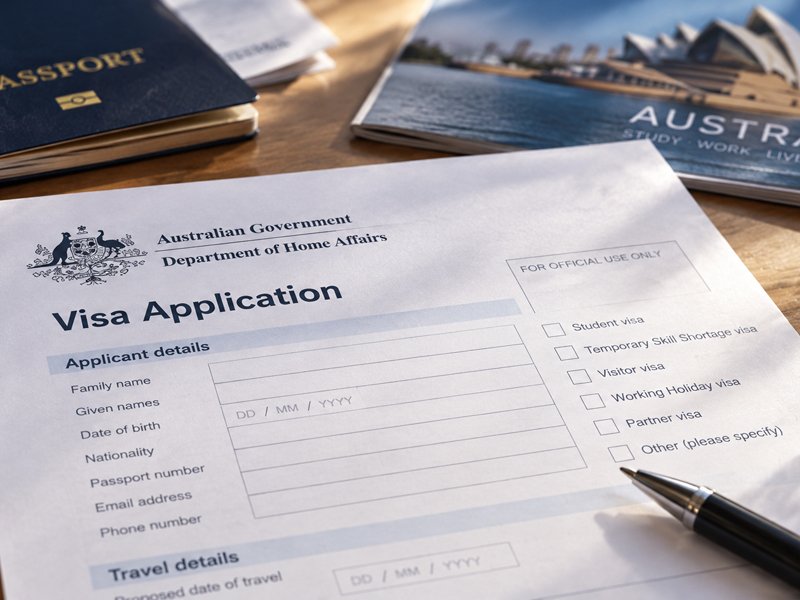
The same forecast expects Canada and the US to see their Indian enrolments shrink over the same period, even as they remain significant destinations in absolute terms. It's not hard to see why, watching this year's headlines: Australia raised its student visa fee by 25% in July 2026, and the US ended "Duration of Status" for F-1 visas, replacing decades of flexible, enrolment-linked status with a fixed four-year admission period and a shorter departure window. Neither change closes a door outright, but both add real friction at exactly the moment families are already weighing cost and certainty more carefully than before.
A Note from IRS Study Abroad, Kottayam
We're not guessing at where this is heading — we're watching our own students walk through it this year, to Jena, Kaiserslautern, Chemnitz, BSBI, Chester, Coventry, and a growing list of others. If the UK or Germany weren't at the top of your family's list before, this might be a good year to ask why they're increasingly at the top of everyone else's.
Frequently Asked Questions
Is the UK really becoming more popular than the US or Canada for Indian students?
According to recent global forecasting, yes — the UK is projected to overtake both Canada and the US as the top destination for Indian students by 2030, driven largely by affordability, visa stability, and post-study work opportunities.
Why is Germany's popularity growing so quickly among Indian students?
Germany's largely free public university tuition remains a major draw, and recent forecasts project its Indian enrolment will nearly double by 2030, overtaking Australia as the fourth-largest host destination.
Has Germany's visa process gotten harder for Indian students?
Not harder to succeed at, but less forgiving of mistakes. Since July 2025, Germany removed its informal appeal process for visa rejections, and appointment availability through its new booking portal has become the main bottleneck during peak season — both reasons to submit a complete, well-prepared application the first time.
Why are Australia and the US losing ground with Indian students?
Recent policy changes have added real cost and complexity: Australia raised its student visa fee by 25% in 2026, and the US replaced its flexible F-1 status system with a fixed four-year admission period and a shorter post-study departure window.
📞 Call us: +91 96561 21000 📍 Visit us: 3rd Floor, Above Trends, Nagampadom, Kottayam