Belgium
Belgium sits at the literal centre of the EU — Brussels hosts the European Commission, the European Parliament, and NATO headquarters — which makes it a genuinely strong choice for students aiming at international relations, law, or policy, alongside solid business and applied sciences options. What makes it a particularly practical choice for our students specifically is that several of our partner institutions accept the Medium of Instruction (MOI) certificate in place of IELTS or TOEFL, removing one of the biggest hurdles Kerala students usually face when applying abroad.
Our Partner Universities in Belgium
IRS Study Abroad currently partners with four institutions across Belgium, covering both public university and private business-school routes:
University of Antwerp (Antwerp) — a public university, offering both undergraduate and postgraduate admission. MOI is accepted for entry.
UG tuition: approximately €4,300/year
PG tuition: approximately €7,800/year
UCLL University of Applied Sciences (Leuven) — undergraduate admission only.
UG tuition: approximately €8,600/year
Thomas More — University of Applied Science (Mechelen) — undergraduate admission, with a postgraduate certificate route.
UG tuition: approximately €9,300/year
PG Certificate: approximately €3,900/year
UBI Business School of Management (Belgium) — a private business school. MOI is accepted for all programmes except the Master of Linguistics and Literary Studies.
UG tuition: approximately €11,890/year
PG tuition: approximately €17,000/year
MBA: approximately €28,500/year (3 years of prior work experience required for MBA admission; an interview may also be required)
(Belgium is also home to well-known research universities such as KU Leuven and Ghent University — mentioned here for general context on the country's academic standing, not as institutions IRS currently places students into. The four partners above are where we can actually take you.)
Common entry requirement across our partner institutions: a minimum of 60% in your previous qualifying education. Fee figures above are drawn from our own current partner rate sheets — confirm the exact figure for your intended year of entry before applying, since institutional fees are typically revised annually.
Quick Facts About Belgium
Capital: Brussels
Official Languages: Dutch (Flanders), French (Wallonia), German (a small eastern region) — English is widely used around universities and in student areas, but daily paperwork and administration outside the bigger cities require at least basic local-language ability.
Currency: Euro (€)
Main Intake: Typically September, with some programmes offering a February intake
Popular Student Cities: Antwerp, Leuven, Mechelen, Brussels, Ghent
Known For: EU and NATO headquarters in Brussels, applied sciences, business, and a genuinely multilingual, multicultural student environment
Cost of Living
Estimates vary noticeably depending on the source and city, so treat this as a planning range rather than a fixed figure:
Most sources put realistic monthly costs somewhere between roughly €900–1,300, covering accommodation, food, transport, and personal expenses.
City choice matters more in Belgium than in some countries — Ghent, Leuven, and Antwerp run cheaper than Brussels, and smaller towns cheaper still.
A shared student room typically runs €450–650/month depending on city; a studio or private apartment runs notably higher.
Visa and Proof of Funds — Important Recent Change
This is worth flagging clearly because it changed very recently: from the 2026–27 academic year, Belgium raised the required monthly proof-of-funds figure for non-EU student visas from €835 to €1,062 per month (roughly €12,700 for the year), applying to all long-stay study-visa applications lodged from 15 August 2026 onward, including renewals for students already in the country. This is a meaningful jump and directly affects how much a family needs to show as available funds — worth confirming the current figure at the time of application, since it's indexed and may move again.
Working While Studying
Non-EU students in Belgium can generally work up to 20 hours per week during term time, with more hours permitted during holiday periods. Note that the tax benefit on student earnings only applies up to 650 hours of work per year — beyond that, standard tax rules apply.
After Graduation
Non-EU graduates can apply for an orientation-year residence permit, allowing up to 12 months in Belgium to look for a job or start a business after completing their studies. This is shorter than some other European destinations on our site (Germany, for comparison, offers 18 months) — worth factoring into your planning if post-study timeline is a priority.
Who Belgium Suits
Students who want a European degree without clearing IELTS/TOEFL — our University of Antwerp and UBI Business School partnerships both accept MOI for the large majority of programmes.
Students interested in international relations, EU policy, or law, given Brussels' unique position as an EU/NATO hub.
Students considering an MBA with prior work experience, through UBI Business School.
Students comfortable navigating a genuinely multilingual environment (Dutch/French/German) rather than an English-default one.
Who Should Look Elsewhere
If your priority is the lowest possible cost of living in Europe, Belgium runs higher day-to-day than our Balkan or Eastern European destinations, even though tuition itself is reasonable. And if you specifically want the University of Antwerp's postgraduate route or UBI's MBA, note the added requirements — Antwerp postgraduate admission and UBI's MBA both carry conditions worth checking against your own profile before applying.
Frequently Asked Questions
Do I need IELTS or TOEFL to study in Belgium through IRS? Not necessarily. University of Antwerp accepts the MOI certificate for admission, and UBI Business School accepts MOI for all programmes except its Master of Linguistics and Literary Studies. This removes a major hurdle for many Kerala students.
Is Belgium expensive to live in? It runs higher than our Balkan and Eastern European destinations, with realistic monthly costs around €900–1,300 depending on city, but tuition at our partner institutions remains reasonable, especially at University of Antwerp.
Can I work part-time while studying in Belgium? Yes, non-EU students can generally work up to 20 hours a week during term and more during holidays, though tax benefits on student earnings only apply up to 650 hours a year.
How much money do I need to show for my Belgium student visa? As of the 2026–27 academic year, non-EU applicants need to show approximately €1,062 per month (about €12,700 for the year) — a recent increase from €835, so confirm the current requirement at the time you apply.
What happens after I graduate — can I stay and work? Non-EU graduates can apply for a 12-month orientation permit to look for work or start a business in Belgium after completing their studies.
Ready to Study in Belgium?
Whether it's University of Antwerp's MOI-friendly admission, UBI Business School's MBA route, or one of our applied-sciences partners in Leuven or Mechelen, we'll help you match your profile to the right fit and guide you through the full process — applications, documentation, and visa support.
📞 +91 96561 21000 📍 IRS Study Abroad, 3rd Floor, Vettiyil Endow, Opp Pvt Bus Stand, Nagampadom, Kottayam 🌐 Start Your Study Abroad Journey: https://join.irsstudyabroad.com/
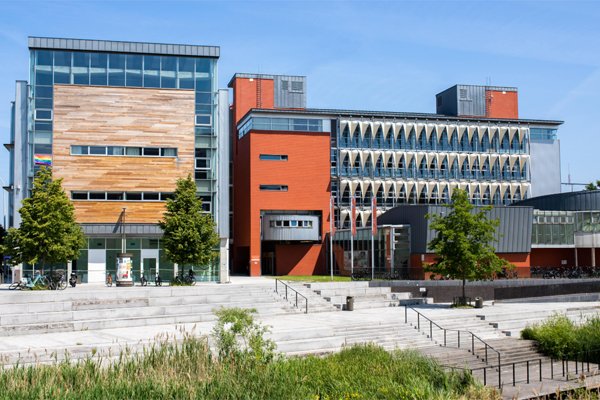
Universities in Belgium
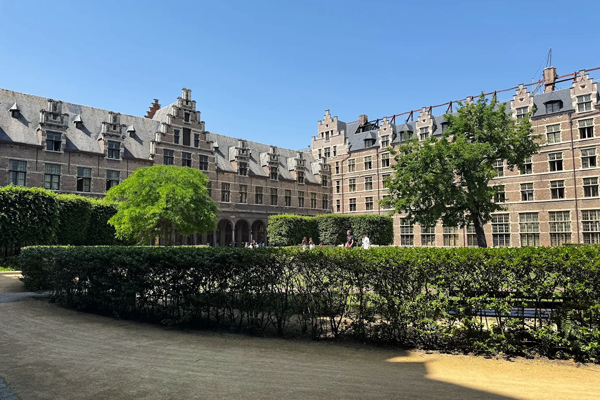
Read More

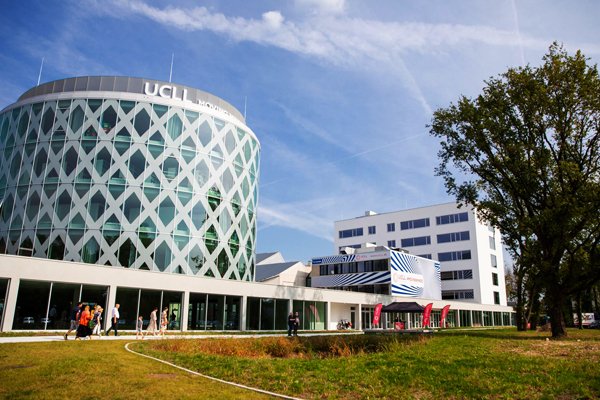
Read More