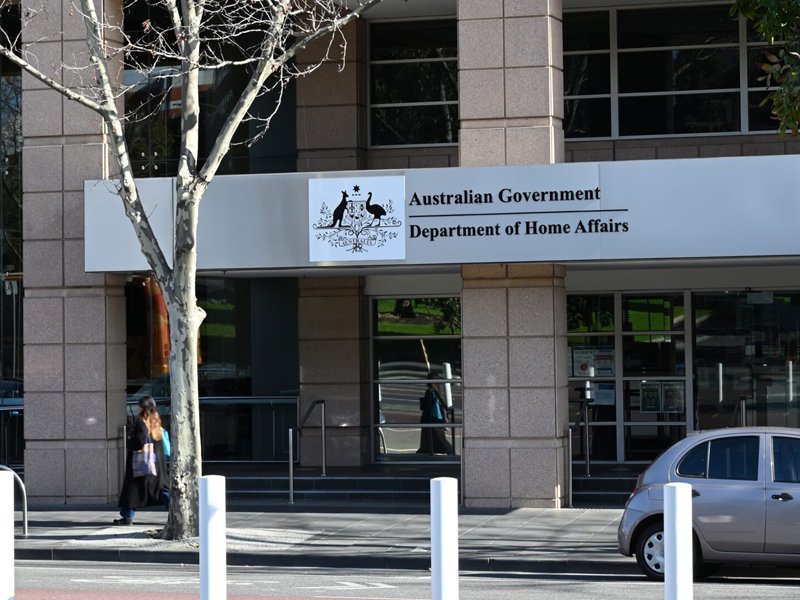
The Department of Home Affairs is asking for feedback on how the Genuine Student requirement and proof of funds could work in future, including an interim step for applicants from higher-risk countries. No decisions have been made, and submissions close on November 23
The Australian Department of Home Affairs has opened a consultation on possible reforms to the Genuine Student requirement and the financial capacity framework for student visas. The department's page, last updated on October 30, 2026, says submissions close at 12:00 pm AEDT on Monday, November 23, 2026, and that "no decisions have been made on the proposals." Feedback will inform advice to the government on whether reforms go ahead and, if so, their scope, timing and detailed design.
Key Facts at a Glance
- Status: A consultation. No decisions have been made, and no implementation dates have been given
- Closing date: 12:00 pm AEDT, Monday, November 23, 2026
- What is being considered, according to the department:
- Possible updates to Ministerial Direction 106, which guides how the Genuine Student requirement is assessed
- Ways to strengthen the financial capacity requirements, which are currently set out in a legislative instrument
- An interim measure to strengthen financial evidence requirements for primary applicants from Evidence Level 3 countries while longer-term reforms are considered
- Genuine Student changes (as reported by The PIE News from the consultation paper): New applicants would be treated differently from students continuing or returning to study. Decision-makers would weigh the credibility of the course and prior study, formulaic Genuine Student statements would matter less, and completed transnational education could count as a positive factor
- Financial capacity options (as reported): The paper sets out four models under consideration:
- Holding 50% of total tuition and living costs for the full course, for at least one month, released on a schedule
- Holding the same 50% for three months, without mandatory access restrictions
- Holding 100% of first-year tuition and living costs for three months
- A controlled pathway for recognised education finance, such as approved loans or scholarships
- Where the funds would be held (as reported): For the first three models, in an eligible Australian bank account in the applicant's name before lodging the application
- Evidence Level 3 interim measure (as reported): Applicants could be asked for financial evidence at lodgement, with deposits generally needing six months of transaction history. Support would normally come from the student, a spouse, parents or another approved supporter. Secured or government-backed loans would be favoured, while unsecured personal loans or unpaid loans would generally be excluded
- Amount of funds: The PIE News reports that the proposals would not raise the amount students must show. The focus would be on proving that funds are genuine, accessible and sustainable
- How to respond: Written submissions to student.visa.consultation@homeaffairs.gov.au, with the subject line "Student Visa Consultation – sector/organisation". The department says submissions will not be published. A webinar for key stakeholders is planned, with details to follow
What this means for applicants
India was moved into Evidence Level 3, Australia's highest-risk tier for student visas, earlier this year. The interim measure in this consultation is aimed at applicants from that group, so Indian students are directly in its scope if it goes ahead. The department has not said whether or when it will.
The proposals look at how funds are shown, not how much is needed. The ideas under discussion would move away from collecting different documents and towards money that is visible, held in an Australian account and shown over a period. If any of the models were adopted, students would have to arrange their funds earlier and for longer before applying. The consultation also asks how loans should be treated, and signals a preference for secured or government-backed loans over unsecured personal ones.
The Genuine Student changes point towards more weight on the quality and credibility of the course and the student's study history, and less on a well-written statement.
Assistant Minister for International Education Julian Hill said refusals are "actively deterring the very students we most want to come to study in Australia", and Charles Sturt University's vice-chancellor Renée Leon said students need more clarity about whether they will meet visa requirements before paying the application fee, as reported by The PIE News. Whether and how the rules change will depend on the outcome of the consultation.
What you can do
- Do not change your financial arrangements yet. These are proposals, and the current rules still apply to applications made today.
- Prepare your funds and documents properly: a clear source of funds, consistent bank records and a transaction history that shows where the money came from.
- If you plan to use an education loan, ask your bank whether it is secured or government-backed, and keep the sanction documents ready.
- Choose a course that clearly fits your previous study and career plans, since course credibility and study history are the focus of the proposed Genuine Student changes.
- Apply to universities and courses early, so you are not caught by a change in the middle of your application.
- Follow the Department of Home Affairs for the outcome after November 23, and avoid relying on social media summaries.
IRS Study Abroad, Kottayam, prepares Australia-bound students' financial evidence, Genuine Student statements and visa files with accuracy and consistency. Our team will update this guidance when the department publishes its decisions.
Sources: Department of Home Affairs, "Consultation on proposed reforms to the Genuine Student requirement and financial capacity framework" (page updated October 30, 2026); The PIE News, October 30, 2026, which reports the details of the consultation paper. The consultation paper itself was not reviewed. Proposals may change or may not go ahead.