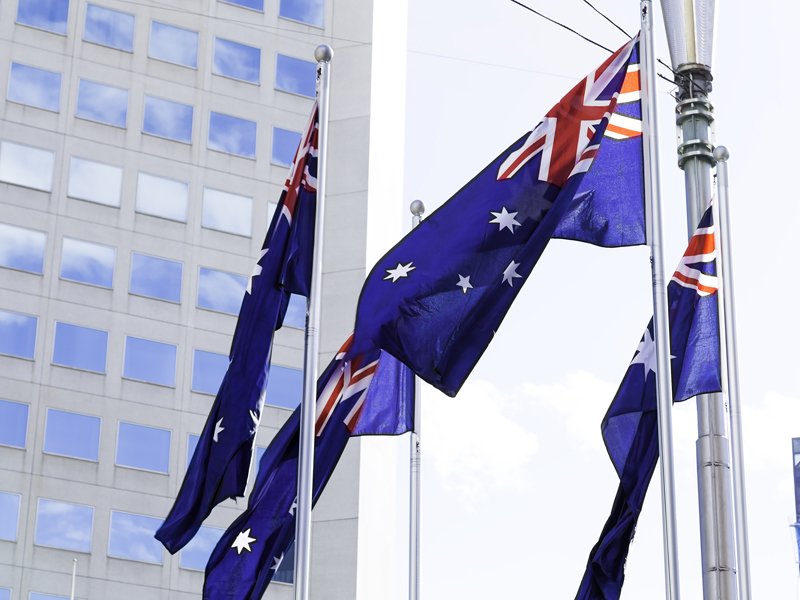
The government has confirmed its 2027 planning level for new international student commencements will match 2026, giving universities — and applicants — a stable, predictable year ahead
Australia's Department of Education has confirmed its National Planning Level (NPL) for new international student commencements in 2027 will remain at 295,000 — unchanged from 2026. The decision gives universities and prospective students a stable planning environment, with the government confirming that no active education provider will receive a smaller allocation in 2027 than they had this year.
Key Facts at a Glance
2027 National Planning Level: 295,000 new international student commencements — unchanged from 2026
Provider allocations: Every active provider keeps at least its 2026 allocation; none will be reduced for 2027
What the NPL actually is: A visa-processing priority system, not a hard cap on visa approvals — applications are processed as top priority until a provider reaches 80% of its allocation, after which applications continue to be accepted but may take longer
India's position: India remains Australia's second-largest source of international students after China, with more than 120,000 Indian students currently enrolled across the country
Worth knowing: Since November 2025, Indian student visa applications are assessed under Australia's "Evidence Level 3" documentation category, meaning supporting documents are reviewed with a higher degree of scrutiny than some other countries — a good reason to ensure your application paperwork is thorough and accurate from the start
What this means for applicants
A stable, unchanged planning level is a genuinely reassuring signal — it means Australia isn't tightening the overall number of places available to international students for 2027, and universities can plan their intake with confidence. For applicants, the practical takeaway is less about the total number and more about timing and preparation: since processing priority is tied to how much of a provider's allocation has been used, applying earlier in the year — well before a popular university or course fills its allocation — remains the best way to ensure faster, smoother processing.
Given India's Evidence Level 3 documentation category, it's also worth being especially thorough with financial, academic, and identity documentation, since applications are reviewed carefully regardless of when in the year you apply.
What you can do
Apply as early in the year as possible for your intended intake, since processing priority depends on your provider's allocation usage, not just your own application timing.
Prepare complete, accurate financial and academic documentation from the outset, given the additional scrutiny applied to applications from India.
If you're considering a competitive, high-demand university or course, check directly with your prospective institution about its current allocation status before finalising your application timeline.
IRS Study Abroad, Kottayam, helps students plan Australia applications with strong, well-prepared documentation and appropriate timing to make the most of a stable, predictable intake year.