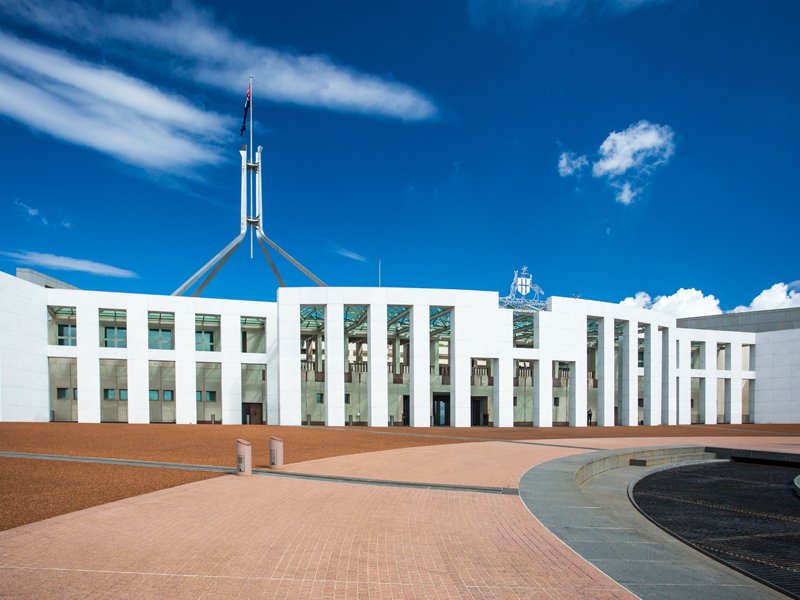
Home Affairs Minister Tony Burke has announced that most international students and graduates will no longer be able to automatically bring family members, as part of a broader migration overhaul
Australia's Home Affairs Minister Tony Burke has confirmed, in a National Press Club address on September 17, 2026, that international students and graduates will generally no longer be able to automatically bring family members to Australia. The change is part of a wider set of measures aimed at reducing Australia's net overseas migration from around 300,000 to 225,000 by 2028.
Key Facts at a Glance
- Announced: September 17, 2026, by Home Affairs Minister Tony Burke, at the National Press Club
- Core change: International students and graduates will generally no longer be able to automatically bring family members to Australia
- Exemptions confirmed: PhD candidates and students from Pacific and ASEAN countries
- Families already in Australia: The government has stated these families will not be separated under the new arrangements
- How it's being implemented: Through regulatory changes to visa conditions and processes, rather than new legislation
- Effective date: Not yet confirmed — implementation details are expected to follow
- On India specifically: Confirmed — India is not among the nationality-based exemptions (Pacific and ASEAN countries, and PhD/research students). Most Indian students on standard undergraduate and coursework master's programmes should plan on the basis that they will not be able to bring a spouse or children under the new rules. Separately, Australia's free trade agreement with India protects post-study work visa duration for Indian graduates — this is a different benefit and does not extend to family/dependant visas. No commencement date has been confirmed yet; the government says the broader package will roll out progressively over the next 12 months.
What this means for applicants
This is a genuine, significant policy shift, and it's still taking shape — several important details, including the exact effective date, have not yet been finalised. For students currently planning a family-inclusive move to Australia, the sensible approach right now is to treat this as a real, upcoming change to plan around, without assuming worst-case or best-case outcomes before the specifics are confirmed.
It's also worth keeping in perspective: the exemptions already named (PhD candidates, Pacific and ASEAN students) show the government is applying this selectively rather than as a blanket rule, and its own statement that existing families won't be separated suggests a degree of care around transition arrangements.
What you can do
- If your study plans include bringing a spouse or children, check for updates on the specific effective date and any confirmed exemptions before finalising your visa application strategy.
- If you're applying under Australia's free trade arrangement with India, keep an eye on official clarification of how today's announcement applies to your situation specifically.
- Avoid making major decisions based on assumptions — this is a developing story, and firm implementation details are still to come.
IRS Study Abroad, Kottayam, is tracking this developing story closely and will update this page as Australia's Department of Home Affairs releases further implementation details.