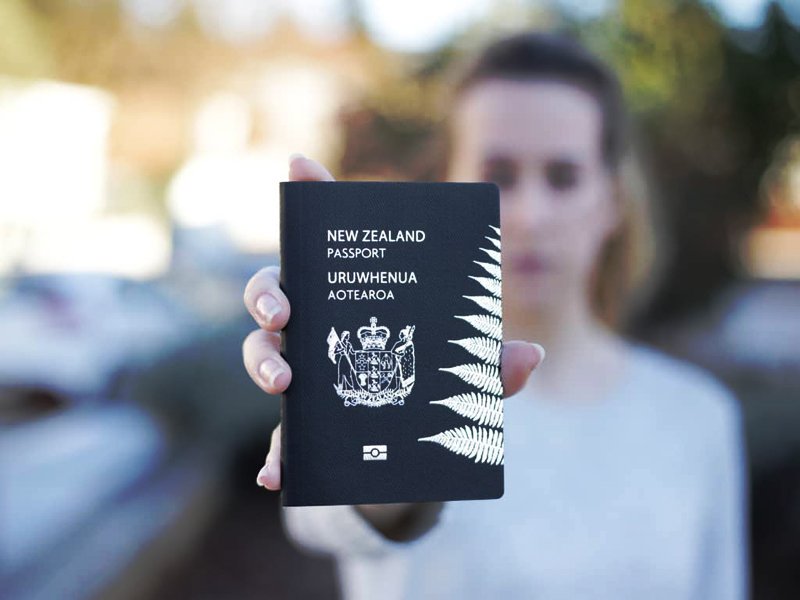
Immigration New Zealand has changed work rights for new research master's students, strengthened its focus on English ability, widened its power to pause processing, and given students two months after their course ends. For applicants, complete files and the right provider matter more than ever
Immigration New Zealand (INZ) announced four changes to student visas on October 27, 2026, and says they take effect from that date. One change reduces work rights for new master's-by-research students, two tighten how applications are assessed, and one gives students more time at the end of their course.
Key Facts at a Glance
- Effective date: October 27, 2026
- Research master's work rights: Unlimited in-study work rights for new master's-by-research students have been removed. INZ says new master's students will have the same conditions of 25 hours a week during study and full-time during holidays. This applies to student visas where applications were made on or after October 27, 2026
- English language: INZ has strengthened its immigration instructions to say that English ability is a key factor in deciding whether a student can meet the conditions of their student visa. The announcement does not set a minimum test score
- Suspending processing: INZ can now formally suspend the processing of student visas in a wider range of circumstances, including when non-compliance by an education provider is still being determined
- After your course ends: Student visas currently expire on 31 March or one month after the course end date, depending on course duration and type. The one month is extended to two months. The 31 March date is unchanged. INZ says this gives students more time to decide their next step
- What the announcement does not say: How existing visa holders are treated under these changes, any separate start dates for the English, suspension and post-course changes, or any minimum English score
What this means for applicants
Research master's applicants. The work-rights change affects budgeting more than eligibility. A student who planned to fund part of a research master's by working long hours now has a 25-hour weekly limit in term time, with full-time work allowed in holidays. Funding plans should be built on tuition, living costs and savings, with part-time income treated as a supplement. The change applies to applications made on or after October 27, so anyone who applied earlier should check the conditions on their own visa. INZ's announcement does not say how earlier applicants are treated.
English ability. INZ describes English as a key factor in judging whether a student can meet their visa conditions. It has not announced a new minimum score or a mandatory test, but an application where English ability is unclear may be looked at more closely. A recent, genuine English test result and a consistent application help.
Choice of provider. The wider power to suspend processing while a provider's compliance is being determined means the institution you choose matters. INZ's announcement gives no detail on how long a suspension lasts or what triggers one, so students should choose established providers and keep an eye on any official notices about their institution.
After graduation. The extra month gives students more time to plan next steps, including applying for a post-study work option. For students planning to work after graduating, our report on New Zealand's new Short-Term Graduate Work Visa and expanded Post-Study Work Visa, both opening on November 16, 2026, sets out the options.
What you can do
- If you are applying for a research master's, plan your finances on the 25-hour limit and make sure your funds and sponsorship documents are complete.
- Keep a current English test result available, even where your university does not require one for admission, and make sure your statement of purpose and documents are consistent with your level.
- Check that your chosen institution is a registered, established New Zealand provider, and ask it how it would handle your application if INZ paused processing.
- If you have already applied, read the conditions on your own visa or ask your adviser, since the announcement does not cover existing applications.
- If you plan to work after your studies, look at the post-study work options now, since they start on November 16.
- Rely on INZ's own announcement for the current rules, not social media summaries.
IRS Study Abroad, Kottayam, helps students choose New Zealand courses and providers, plan funds realistically, and prepare complete, consistent visa files, so your application is ready for the more detailed checks.
Source: Immigration New Zealand, "Changes to student visas" (October 27, 2026). The announcement does not state how existing visa holders are affected by these changes; check INZ for current conditions on your own visa.