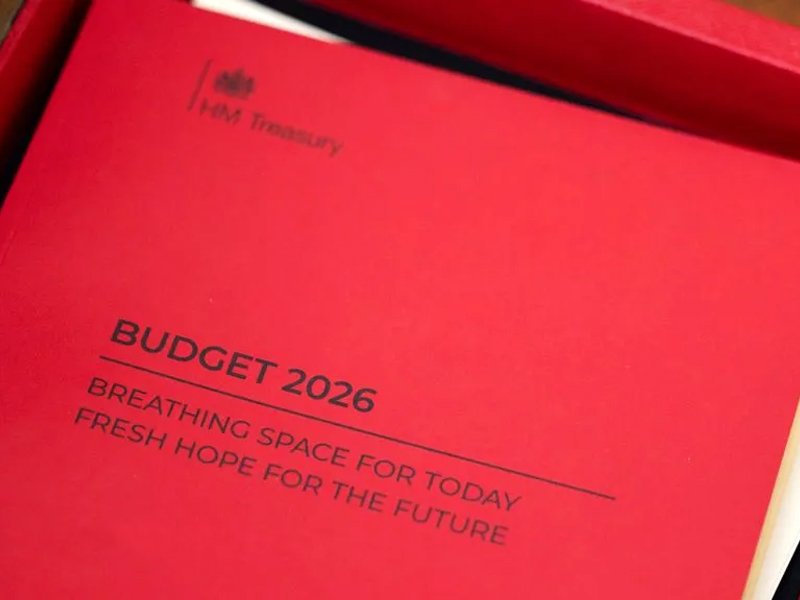
The Chancellor's Budget says graduates of universities with a strong compliance record and good graduate outcomes will keep a two-year post-study work visa. The criteria are still to be set, which makes the university you choose a bigger part of the decision
The UK Budget, published on October 28, 2026, says the Graduate visa will be set at two years for graduates of "high-compliance universities" with strong labour market outcomes. Under the rules already announced, the Graduate visa is due to fall from two years to 18 months for most bachelor's and master's graduates applying from January 1, 2027. The Budget points to a different outcome for graduates of universities that meet the new test, but it does not yet say which universities these are, how the test will work or when it will start.
Key Facts at a Glance
- What the Budget says: Under the heading "Extending the graduate visa from 18 months to two years for eligible universities" (paragraph 6.97), the Budget states: "The graduate visa duration will be set at two years for individuals who graduate from high-compliance universities where there are strong labour market outcomes"
- Announced: October 28, 2026, in the UK Budget
- The existing plan for 18 months: Under current rules, the Graduate visa falls from two years to 18 months for most bachelor's and master's graduates applying on or after January 1, 2027. PhD and other doctoral graduates are unaffected and keep three years
- Who benefits: Graduates of universities that meet the new standard. Reports say graduates of other universities still face the 18-month limit from January 2027, but this depends on the final rules
- Not yet defined: What "high-compliance" means, how "strong labour market outcomes" will be measured, which universities will qualify and how many, when the two-year option starts, and any transitional arrangements. The Home Office and the Department for Education are reported to be working on the design
- Related Budget measure: Reports also say the High Potential Individual route will be widened to graduates of the world's top 150 universities
- Official text: The wording above is taken from the Budget document (paragraph 6.97). Other details in this article, including the related High Potential Individual measure, come from reports by The PIE News, UK immigration law firms and Indian education outlets
What this means for applicants
For students planning to study in the UK, the Graduate visa has been central to the decision. An 18-month visa instead of two years shortens the time a graduate has to find skilled work and a sponsoring employer. The Budget suggests that the university a student chooses could now decide which of the two applies.
Several points are unresolved, and students should treat them that way. No one yet knows which universities will qualify or how that will be judged. The Budget wording says "high-compliance", which links to the Home Office's compliance checks on universities, but how the two connect has not been published. Since the start date for the two-year option is not given, it is also not clear how it fits with the January 1, 2027 date for the 18-month limit. Students finishing courses around that date should not assume which duration will apply to them.
The announcement also fits a pattern we have covered this year: universities are under tighter visa compliance rules, with offer withdrawals and processing delays reported across the sector. A strong compliance record is now likely to matter for students as well as for universities.
What you can do
- If you are planning to apply for 2027 intakes, treat post-study work duration as one factor among several. Course quality, fees, location and job prospects still matter.
- Ask each university you are considering about its record on visa compliance and graduate employment, and how it expects to be assessed under the new approach.
- Wait for the official criteria and the list of qualifying universities before making decisions based on the two-year visa. Do not rely on social media posts that name universities as "approved".
- If you are finishing a course around the end of 2026, check with your university when it will confirm your course completion, because the Graduate visa application date decides the duration under the current rules.
- Keep your own application strong: accurate documents, consistent financial evidence and a clear study plan, so that universities and the Home Office see a low-risk file.
- Follow GOV.UK and the Home Office for the final rules.
IRS Study Abroad, Kottayam, helps UK-bound students compare universities with post-study options in mind and prepares complete, accurate applications and visa files. When the criteria are published, our team will update this guidance.
Sources: UK Budget 2026 document, October 28, 2026 (paragraph 6.97), and reports by The PIE News (October 28, 2026), Lisa's Law (October 29, 2026), Paragon Law and Shiksha. Details of who qualifies and when are still to be set; check GOV.UK for the current rules.